

Shop Smart, Shoot More: Unbeatable Discount Ammo Deals You Can’t Afford to Miss
Struggling to keep your shooting hobby affordable without compromising on quality? Discount ammo simply refers to new, factory-sealed ammunition sold at a reduced price, often through bulk purchasing or overstock deals. By buying larger quantities or taking advantage of seasonal sales, you can lower your per-round cost significantly while still getting reliable, accurate rounds for practice or defense. The key is to focus on trusted brands and check the manufacturing date, so you save money without ever worrying about performance.
What Exactly Makes Ammunition “Discount” Without Being Dangerous?
Discount ammo earns its lower price through cost-saving choices that don’t compromise the cartridge’s structural safety. Manufacturers often use less expensive brass alloys, Berdan primers instead of Boxer, or non-canister powders with slightly wider burn-rate tolerances—all of which function reliably, though they may affect consistency. Likewise, projectiles might have thinner copper jackets or a less precise polymer tip, reducing accuracy but not causing pressure spikes. The crucial distinction is that dangerous ammo has flaws like cracked necks, seated primers, or case head separations; discount ammo simply has *rougher cosmetic finishes and looser quality control on things like concentricity, not on the case wall thickness or primer pocket integrity that contain the explosion*. As long as the round meets SAAMI pressure specs—which budget brands do verify—you’re getting a cheaper bang, not a riskier one. Buy discount, but never buy mystery stock. Check that the headstamp is recognized and the box has a lot number. That alone separates a clearance sale from a liability.
Understanding the Difference Between Genuine Bargains and Factory Seconds
A true bargain in discount ammo means identical performance to full-price boxes, often from overruns or bulk contracts—the brass, primer, and powder meet spec. Factory seconds, however, are rounds rejected for cosmetic flaws, surface rust, or inconsistent crimps, which can affect feeding or accuracy. Understanding the difference between genuine bargains and factory seconds starts with reading the label: if it says “blems” or “seconds,” expect faults. Test a small lot first, since a light primer strike or a dented case mouth might jam your firearm mid-magazine. A bargain saves money without altering your zero; a second saves money but may cost you a malfunction at the worst moment.
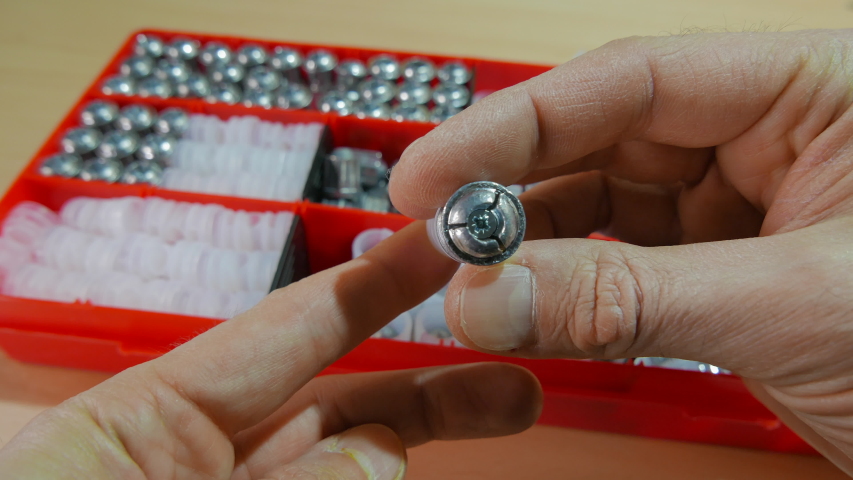
Genuine bargains keep full specs at lower prices; factory seconds trade minor defects for steeper discounts—verify function before trusting them.
Why Overruns, New Production, and Bulk Packs Offer the Lowest Prices
Overruns, new production, and bulk packs achieve the lowest prices by attacking distinct cost layers. **Overrun ammunition** is manufactured for a military or law-enforcement contract, then the plant produces a surplus batch using the same tooling; the fixed setup costs are already absorbed, so the retailer buys the extra rounds at marginal cost. New production, meanwhile, runs on dedicated commercial lines without the overhead of small-batch changeovers—long, uninterrupted runs spread machinery depreciation across hundreds of thousands of rounds. Bulk packs eliminate per-box packaging and individual carton handling, cutting labor and cardboard costs by as much as 30%. Together, these three sources compress the price per round because you are paying for projectile, primer, powder, and case—not for logistics inefficiency or branding.
Reading the Fine Print: What “Once-Fired” or “Reman” Labels Really Mean
“Once-fired” and “reman” labels are where discount ammo pricing gets its sharpest edge—and its most misunderstood caveats. Once-fired brass means the casing survived exactly one chambering, but nothing about the primer, powder, or bullet quality is guaranteed; remanufactured rounds are rebuilt from that brass with fresh components, yet the risk lies in inconsistent resizing or missed case-length checks. Before buying, verify the seller specifies the reloading process and inspection steps. The logical sequence: first, confirm the brass was tumbled and resized; second, ask if each case passed a go/no-go gauge; third, check that primers are seated flush, not crushed. If the label omits these details, treat the price drop as a 7mm Rem Mag Ammo for Sale warning, not a bargain.
How to Spot High-Quality Budget Ammo Versus Risky Junk
When buying discount ammo, inspect the cartridge case mouth for cracks or dents—junk often shows uneven crimps that cause feeding failures. Check the primer seating; a high-quality budget ammo line will have primers flush or slightly recessed, while risky rounds sit proud or deep. Weigh a few cartridges; consistent weight indicates uniform powder charges, whereas risky junk varies by several grains, risking pressure spikes. Shake a cartridge near your ear—loose powder sounds signal poor fill, a hallmark of dangerous discount lots. Look for a headstamp with a known manufacturer code and lot number; unmarked brass is a red flag for remanufactured or unknown-source ammunition. Test a small sample for keyholing or misfires before bulk purchase. Smooth, annealed necks and sealed primers separate reliable budget rounds from squib-loading hazards.

Key Pressure Signs and Case Defects You Must Inspect Before Buying
Before you commit to discount ammo, inspect every case for **key pressure signs and case defects** that scream danger. Look for flattened or cratered primers, which indicate excessive pressure that can damage your firearm. Check for shiny, ejector-piston marks on the case head—a classic sign of over-pressure. Reject any brass with cracks, splits, or a separated rim. Measure case length; stretched necks or bulges near the web suggest weak metal or improper resizing. A primer pocket that’s loose or deeply recessed means the case has been reloaded too many times. Even a single defective round can turn a bargain into a catastrophic failure. **Q: What is the fastest way to spot over-pressure in discount ammo?** **A: Inspect the primer—if it’s flattened against the case head or shows a crater around the 9×18 Makarov Ammo for Sale firing pin strike, reject the lot immediately.**
Which Bullet Weights and Calibers Usually Have the Best Discount Prices
In the discount ammo market, the best price-per-round savings consistently appear on **high-volume training calibers** like 9mm, .223 Remington/5.56 NATO, and .45 ACP—specifically in their most common bullet weights (115gr, 55gr, and 230gr, respectively). Heavier or lighter specialty loads (e.g., 147gr subsonic 9mm or 62gr green-tip) rarely see deep cuts because production runs are smaller. Conversely, less popular calibers like .40 S&W or .380 ACP often have steeper percentage markdowns, since retailers clear slow-moving stock—but the base price stays higher. For surplus or budget brands, stick to standard weights; a 20% discount on 124gr 9mm is typical, while 77gr OTM 5.56 discounts are almost nonexistent. Best discount prices always favor the most mass-produced weight, as economies of scale directly lower cost.
Q: Which bullet weights and calibers usually have the best discount prices?
A: Standard-weight rounds in mainstream calibers—115gr 9mm, 55gr .223, 230gr .45 ACP—lead discounts. Niche weights (like 135gr .40) occasionally drop 9mm Ammo for Sale 15–25% but only when stock is stagnant, so don’t chase them for regular savings.
Testing a Small Sample First: The 50-Round Rule for New Brands
Before committing to a bulk order of discount ammo from an unfamiliar manufacturer, enforce the 50-round rule for new brands. This small sample serves as a statistical baseline for reliability, letting you observe primer ignition, ejection consistency, and case integrity across multiple magazines. Fire those 50 rounds in a single session, noting any failure-to-feed, dud, or overpressure sign like flattened primers. If the first ten rounds show erratic accuracy or sticky extraction, stop immediately—that’s a predictive warning that the lot is flawed. Only after all 50 cycle cleanly should you consider a larger purchase, and always retain the box’s lot number for future reference.
Q: Why 50 rounds instead of 20 or 100 for testing new budget ammo? A: Twenty rounds can pass by sheer luck, while 100 wastes money on potentially defective stock. Fifty balances sample size with cost, catching intermittent issues like weak primer strikes or inconsistent bullet seating that only emerge after 9.3x72R Ammo for Sale a few magazines of sustained firing.
Proven Strategies to Score the Cheapest Bulk Ammo Deals Every Time
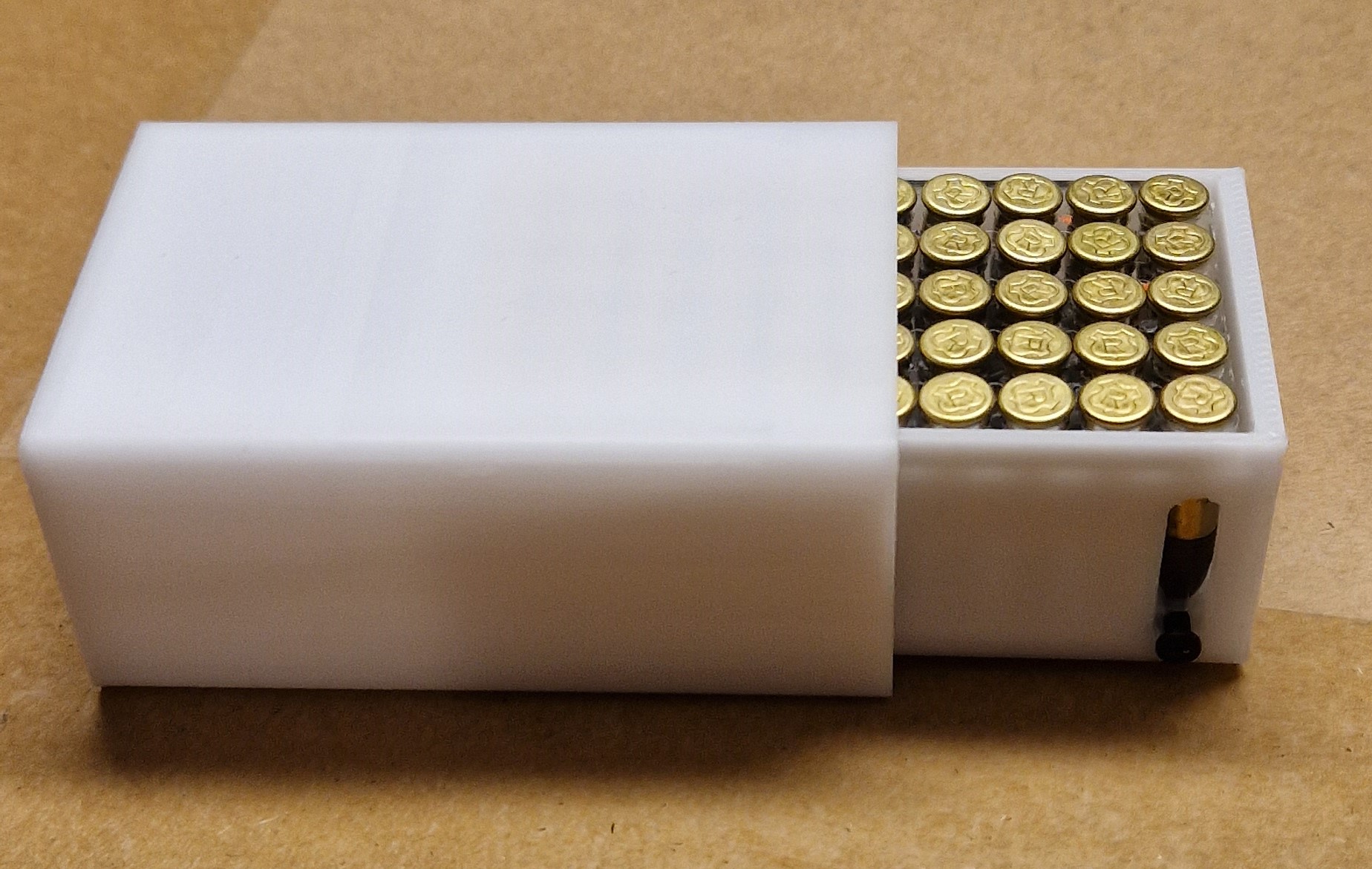
To lock in the cheapest bulk ammo deals, always compare the final per-round cost after shipping, not the sticker price, since discount ammo often hides fees that kill savings. Stack manufacturer rebates with credit card cashback and loyalty points from retailers like Brownells or Target Sports USA—this double-dipping routinely cuts 10–15% off already discounted bulk cases. Set price alerts on AmmoSeek and buy during off-peak months like January or August, when sellers clear inventory; never pay retail for opened-box or overrun lots, which are the true discount ammo gems. Q: What is the fastest way to find the cheapest bulk ammo? A: Filter AmmoSeek by “free shipping” and “per round” cost, then apply a promo code—this exposes the real lowest price in under two minutes. Rotate between three wholesalers monthly, as their flash sales cycle, guaranteeing you always hit the sub-30-cents-per-round sweet spot for practice calibers.
Using Price-Per-Round Calculators to Compare Different Lot Sizes
To lock in the best discount ammo, never compare shelf specialty sports and supply prices—compare cost per round. A price-per-round calculator instantly reveals that a 500-round case at $249 beats a 200-round box at $99, even though the upfront spend is higher. This shift in perspective prevents you from overpaying for smaller lots and ensures your bulk purchase maximizes every dollar. Always factor shipping and taxes into the calculation to expose hidden costs that inflate the true per-round figure. Using price-per-round calculators for bulk ammo comparisons turns a simple math check into your sharpest negotiation tool against deceptive retail pricing.
**Q: Why can’t I just divide the total price by the round count in my head?**
A: You can, but a calculator eliminates arithmetic errors and lets you rapidly compare six lot sizes simultaneously, accounting for shipping fees—which often make small boxes deceptively expensive per round.
Subscribing to Backorder Alerts and Clearance Sections at Major Retailers
Signing up for backorder alerts at big online retailers is a sneaky way to lock in discount ammo pricing before the shelves refill. When stock drops, you get the first ping, letting you buy at the old, lower price instead of waiting for a marked-up restock. Meanwhile, clearance sections are goldmines for odd calibers or seasonal overstock. Check those pages weekly—prices get slashed just to move inventory. Set alerts for specific SKUs, not just generic terms.
- Enable email/SMS alerts for out-of-stock items you already know are cheap.
- Bookmark the clearance page and scan it every few days.
- Sort by “percent off” to spot the deepest cuts fast.
- Act 9.3x62mm Mauser Ammo for Sale within minutes of an alert—deals vanish quickly.
When to Buy Ammo in Winter vs. Summer – Timing for Peak Savings
Winter is your strongest ally for scoring discount ammo timing advantages, as demand plummets after hunting season ends and retailers slash prices to clear shelf stock. Buy in January through February to catch post-holiday clearance and slow-sales discounts, which often beat summer’s inflated rates. Summer, by contrast, spikes costs because outdoor shooting and competition season peaks, so delay bulk purchases until late August, when vendors start rolling out pre-fall sales to move inventory fast. For peak savings, also watch early December, when shops cut prices to attract year-end buyers, but avoid mid-summer panic-buying windows entirely—patience in 7mm Rem Ultra Mag Ammo for Sale the cold pays off with noticeably leaner per-round costs.
Practical Tips for Storing and Using Budget-Friendly Rounds
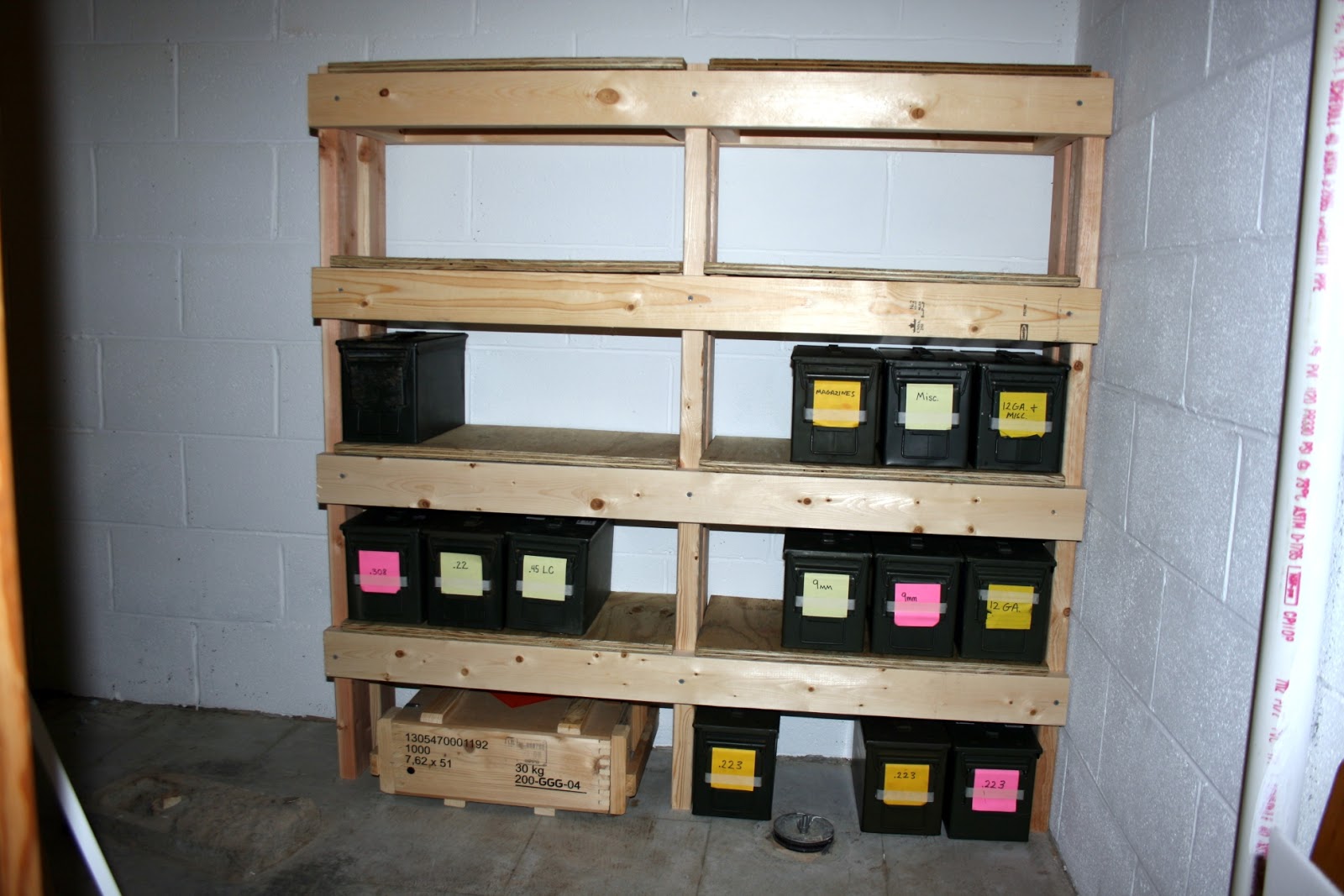
For discount ammo, storage is everything—keep those budget-friendly rounds in a cool, dry spot, ideally in sealed ammo cans with desiccant packs, because cheap ammo often has thinner sealants that invite moisture. When you’re at the range, rotate your stock by shooting the oldest boxes first, since even low-cost rounds can degrade primers over time. Don’t pre-load all your mags with discount ammo either; the springs get fatigued, and you’ll waste rounds that might cycle poorly after sitting compressed for weeks. A quick visual check for dents or loose bullets before loading saves you from frustrating malfunctions—and honestly, saving money on ammo means nothing if you have to waste half a box fixing your own careless habits. Finally, mix in a few premium rounds per session to confirm your gun’s reliability baseline, so you know any hiccup is the budget ammo, not your firearm.
Proper Ammo Can Management to Prevent Corrosion and Misfires
For budget-conscious shooters, proper ammo can management to prevent corrosion and misfires is non-negotiable, as cheap rounds often have thinner lacquer seals. Begin by segregating lots—never mix different purchase dates in one can, because older primers may react differently to humidity. Add a reusable desiccant pack and seal the can’s rubber gasket only when the ambient humidity is below 40%, avoiding trapping moist air. Inspect each cartridge for verdigris or cracked necks before storage; discard any suspect round immediately, as corrosion accelerates between dissimilar metals. Rotate your stock quarterly, firing the oldest first, and always wipe down the can’s interior with a dry cloth before reloading. Even trace fingerprint salts on brass can initiate electrochemical corrosion that compromises primer ignition.
- Use silica gel packets but recharge them in a 200°F oven every 3 months.
- Store cans off concrete floors—place them on wooden pallets to reduce thermal sweating.
- Apply a thin film of corrosion inhibitor (e.g., VCI paper) inside the lid, replacing it twice a year.
- Never open the can in a humid garage; move it indoors for 30 minutes to equalize temperature first.
How to Rotate Your Stockpile So Older Discount Rounds Get Shot First
To ensure older discount rounds get shot first, adopt a **strict first-in, first-out rotation** by physically segregating new purchases from existing stock. When ammunition arrives, place it behind your current supply on the shelf, forcing you to grab the older boxes from the front. Use a permanent marker to write the purchase month and year directly on each carton, making the oldest batches instantly recognizable. Each time you head to the range, pull exclusively from the front row, then restock the vacated space with the newest boxes. For deep storage, stack dated containers sequentially and always take from the bottom or top of the stack—never mix 6mm Remington Ammo for Sale new and old in the same ammo can. This habit prevents aged discount rounds from becoming dead weight. Inventory tags on every batch help you track what needs shooting first, ensuring your budget buys never go stale or corrode unused.
Matching Cheap Ammo to the Right Firearm – What Actually Feeds Reliably
Matching cheap ammo to the right firearm starts with bullet profile, not just caliber. Flat-nosed or steel-cased rounds often fail in tighter chamber throats or feed ramps designed for brass FMJs. Test a box of budget hollow points in your specific pistol’s magazine—weak recoil springs will short-stroke on low-pressure loads, causing stovepipes. For rifles, cheap ammo for AR-15s .50 Cal Ammo for Sale with lacquer-coated cases can expand when hot, dragging in the chamber. Revolvers are forgiving, but semi-autos demand the correct ogive. Always cycle a full magazine manually first; if it jams, that ammo is wrong for your firearm, regardless of price.
Budget ammo only shines when its bullet shape and case material match your firearm’s feed geometry—test before bulk-buying.
Common Questions Shooters Ask About Saving Money at the Range
“Is discount ammo actually safe to run?” is the first thing most shooters ask, and the answer is yes—as long as you buy from reputable brands or well-reviewed remanufacturers, not sketchy mystery boxes. Another big one: “How do I find the best deals without wasting time?” Set price alerts on ammo aggregator sites and buy in bulk during holiday sales, but only what you’ll realistically shoot in a few months to avoid storage headaches. “Does cheap ammo mean more malfunctions?” Sometimes, especially with dirty powder, so test a small box before committing to a case. *The real money saver isn’t the lowest price per round—it’s the lowest price per round that still feeds reliably in your specific gun.* Finally, ask about shipping costs; free shipping thresholds often make a slightly higher-priced bulk order cheaper than a “discount” box with $15 delivery.
Is It Smart to Mix Discount Ammo Brands in One Magazine?
Mixing discount ammo brands in one magazine is a trade-off between convenience and consistency. Each budget brand may have slightly different case lengths, bullet seating depths, or powder burn rates, which can shift point-of-impact between rounds. In a defensive scenario, that variance could mean a missed shot, though for casual plinking it rarely matters. Worse, feeding issues can arise if one brand’s rim or extractor groove tolerances differ from another’s. If you do mix, test the exact combination for function and accuracy first. Your safest bet is to dedicate each magazine to a single brand, ensuring predictable recoil and cycling. Mixing discount ammo brands in one magazine is acceptable for practice but not for carry or competition.
Q: Is it smart to mix discount ammo brands in one magazine?
A: Only if you verify reliability first. Mixing saves little time but introduces variable pressure and geometry, which can cause jams or fliers. For range fun, fine; for anything serious, stick to one brand per mag.
How Much Money Can You Realistically Save Using Clearance Rounds Per Year
If you shoot 5,000 rounds annually, clearance deals typically shave 15–30% off standard pricing, translating to **$150–$450 in yearly savings** depending on caliber and timing. Buying 9mm at $0.28/round versus $0.40/round during store-wide clearances compounds quickly—especially if you stock up on discontinued lots or seasonal overstock. The key is buying only what you’ll actually shoot within 12 months, not hoarding for spec’s sake. A dedicated clearance hunter can realistically bank $200–$500 per year, with bulk pack purchases amplifying the margin.
Q: How much money can you realistically save using clearance rounds per Ammunition for Sale year?
A: For an average shooter, expect $150–$400 annually—but only if you monitor weekly clearance drops and buy in bulk when prices hit 25%+ off standard street rates.
What Should You Do If You Receive a Box with Dented or Loose Casings
If you receive a box of discount ammo with dented or loose casings, first inspect every round under bright light; a minor dent in the brass may be safe, but any crack or severe crimp is a reject. For loose bullets, check for setback by pressing the round against a hard surface—if the projectile moves, set it aside. Sorting questionable discount ammo by defect type prevents accidents. Then follow this sequence:
- Separate rounds with only cosmetic dents from those with structural damage or bullet setback.
- Contact the seller immediately with your lot number and photos—most discount ammo retailers offer replacement or credit for defective casings.
- Never fire a loose-casing round; chamber pressure can rupture the case, so dispose of it in a container designated for damaged ammunition.
